

Cereals, Standards
Cereals Quality, Standards
Cereals commodities: Wheat, Rice, Rye, Oats, Barley, Corn, Millet, Sorghum, Buckwheat, Amaranth. Oats, barley, and some food products made from cereal grains. Grain redirects here. For other uses, see Grain (disambiguation). This article is about cereals in general. For the breakfast food, see Breakfast cereal. Cereals, or cereal grains, are mostly grasses cultivated for their edible brans or fruit seeds (botanically, a type of fruit called a caryopsis). Cereal grains are grown in greater quantities and provide more energy worldwide than any other type of crop; they are therefore staple crops. They are also a rich source of carbohydrates. In some developing nations, grain in the form of rice, wheat, or maize constitutes practically the entire diet. In developed nations, cereal consumption is more moderate and varied but still substantial.
- Details
- Parent Category: Agricultural Standards
- Category: Cereals Quality, Standards
- Hits: 12595
Available Barley standards: BARLEY DSTU 3769; Barley GOST 28682-90 Requirements for state purchases and deliveries; Barley for brewing GOST 5060-86; U.S. STANDARDS FOR BARLEY.
We are trading, selling and buying Barley to any save word port by containers, trucks or by vessels.
Packing is in bulk, big bag or 25/ 50 kg PP bags.
Delivery as per Incoterms 2010 (FCA, FAS, FOB, DAP, CFR, CIF) to ASWP (any save word port).
Prices are negotiable and valid limited time only or until stock is last.
Payments: LC at sight (Letter of Credit), CAD (cash against documents), CAFD, T/T.
Samples are available but cost of delivery to be paid by buyer and quality will be based on the contract concluded.
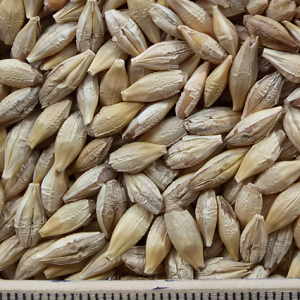
- BARLEY DSTU 3769-98 (Ukranian standard)
1-st class - barley for human consumption
Moisture – 14.5% max.
Test weight - 60 kg/hl.
Foreign matter - 2% max.
2-nd class - barley for malting in alcohol manufacture
Moisture – 14.5% max.
Test weight - 57 kg/hl.
Foreign matter - 3% max.
3-rd class - feed barley.
Moisture – 15.5% max.
Test weight - not limited.
Foreign matter - 5% max.
Sound, loyal and merchantable, free from alive weevils, foreign smell, with natural colour and smell.
- Details
- Parent Category: Agricultural Standards
- Category: Cereals Quality, Standards
- Hits: 10795
We are trading, selling and buying Buckwheat with buyers and sellers in Europe, Asia, Africa, Middle East and America shipping to any save word port by containers, trucks or by vessels. Quality is Moisture max 14%; Purity min 98% but could be better based on your demands. Packing is in bulk, big bag or 25/ 50 kg PP bags. Delivery could be as per Incoterms 2010 (FCA, FAS, FOB, DAP, CFR, CIF) to ASWP (any save word port) by containers, trucks or by vessels. Prices are negotiable and valid limited time only or until stock is last. Payments could be done by LC at sight (Letter of Credit) with UCP 600 apply, CAD (cash against documents), CAFD, T/T. Samples are available upon request and cost of delivery to be paid by buyer but quality will be based in the contract concluded.
Buckwheat seeds are dehulled, and the remaining seed material, called a groat, is ground into flour. 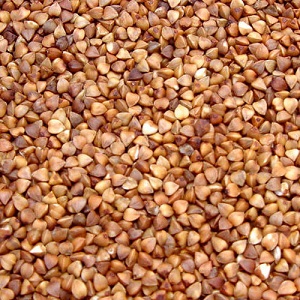
For Ukraine DSTU 4524:2006 BUCKWHEAT, specifications.
For Russia GOST 19092-92 Buckwheat. Requirements for state purchases and deliveries.
- Details
- Parent Category: Agricultural Standards
- Category: Cereals Quality, Standards
- Hits: 9272
We are trading (offer, bid, sell, buy), selling and buying Canary Seeds with buyers and sellers in Europe, Asia, Africa, Middle East and America shipping to any save word port by containers, trucks or by vessels. Quality is Moisture max 14%; Purity min 98% but could be better based on your demands. Packing is in bulk, big bag or 25/ 50 kg PP bags. Delivery could be as per Incoterms 2010 (FCA, FAS, FOB, DAP, CFR, CIF) to ASWP (any save word port) by containers, trucks or by vessels. Prices are negotiable and valid limited time only or until stock is last. Payments could be done by LC at sight (Letter of Credit) with UCP 600 apply, CAD (cash against documents), CAFD, T/T. Samples are available upon request and cost of delivery to be paid by buyer but quality will be based in the contract concluded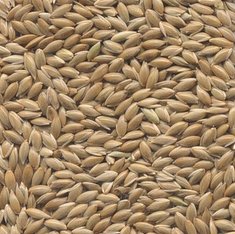
.
- Details
- Parent Category: Agricultural Standards
- Category: Cereals Quality, Standards
- Hits: 9790
We are trading, selling and buying Yellow Corn with buyers and sellers in Europe, Asia, Africa, Middle East and America shipping to any save word port by containers, trucks or by vessels. Quality is Moisture max 14%; Purity min 98% but could be better based on your demands. Packing is in bulk, big bag or 25/ 50 kg PP bags. Delivery could be as per Incoterms 2010 (FCA, FAS, FOB, DAP, CFR, CIF) to ASWP (any save word port) by containers, trucks or by vessels. Prices are negotiable and valid limited time only or until stock is last. Payments could be done by LC at sight (Letter of Credit) with UCP 600 apply, CAD (cash against documents), CAFD, T/T. Samples are available upon request and cost of delivery to be paid by buyer but quality will be based in the contract concluded.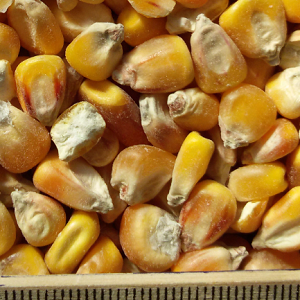
Corn GOST 13634-90. Analises
1 Grain impurities:
1.1 Broken grains (50%)
1.2 Grains damaged by pests (50%)
- Details
- Parent Category: Agricultural Standards
- Category: Cereals Quality, Standards
- Hits: 9710
We are trading, selling and buying Yellow Millet, Red Millet, White Millet with buyers and sellers in Europe, Asia, Africa, Middle East and America shipping to any save word port by containers, trucks or by vessels. Quality is Moisture max 14%; Purity min 98% but could be better based on your demands. Packing is in bulk, big bag or 25/ 50 kg PP bags. Delivery could be as per Incoterms 2010 (FCA, FAS, FOB, DAP, CFR, CIF) to ASWP (any save word port) by containers, trucks or by vessels. Depending on the colour of flowering millet films are available:
White Millet. Type I - White and Cream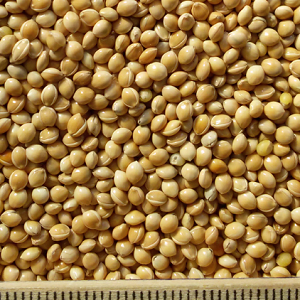
Red Millet Type II - from Light Red to Dark Red and Brown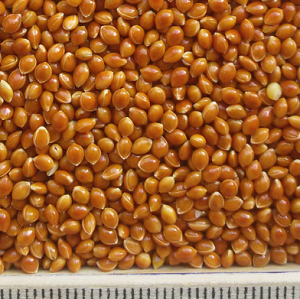
Yellow Millet. Type III - from Golden Yellow to Dark Gray and Yellow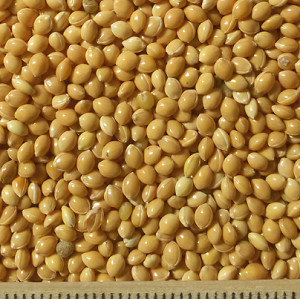
Millet - an annual cereal grass family. MILLET GOST 22983-88
Ukrainian Standards governing the quality of millet - DSTU 5026: 2008. This standard applies to grain millet, harvested and shipped for processing cereals, malt, feed, as well as for feeding purposes.
- Details
- Parent Category: Agricultural Standards
- Category: Cereals Quality, Standards
- Hits: 8864
We are trading, selling and buying Oats with buyers and sellers in Europe, Asia, Africa, Middle East and America shipping to any save word port by containers, trucks or by vessels. Quality is Moisture max 14%; Purity min 98% but could be better based on your demands. Packing is in bulk, big bag or 25/ 50 kg PP bags. Delivery could be as per Incoterms 2010 (FCA, FAS, FOB, DAP, CFR, CIF) to ASWP (any save word port) by containers, trucks or by vessels. Prices are negotiable and valid limited time only or until stock is last. Payments could be done by LC at sight (Letter of Credit) with UCP 600 apply, CAD (cash against documents), CAFD, T/T. Samples are available upon request and cost of delivery to be paid by buyer but quality will be based in the contract concluded.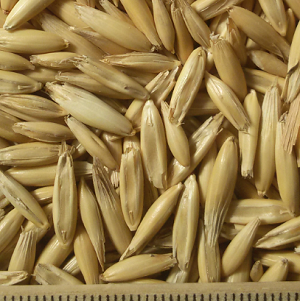
Oat GOST 28673-90, Feed oat,
- Details
- Parent Category: Agricultural Standards
- Category: Cereals Quality, Standards
- Hits: 10449
We are trading (offer, bid, sell, buy), selling and buying White Sorghum and Red Sorghum with buyers and sellers in Europe, Asia, Africa, Middle East and America shipping to any save word port by containers, trucks or by vessels.Quality is Moisture max 14%; Purity min 98% but could be better based on your demands. Packing is in bulk, big bag or 25/ 50 kg PP bags. Delivery could be as per Incoterms 2010 (FCA, FAS, FOB, DAP, CFR, CIF) to ASWP (any save word port) by containers, trucks or by vessels. Prices are negotiable and valid limited time only or untill stock is last. Payments could be done by LC at sight (Letter of Credit) with UCP 600 apply, CAD (cash against documents), CAFD, T/T. Please visit Trade section of the site for trade.
White Sorghum.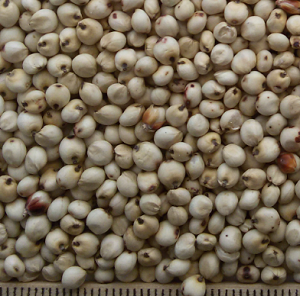
Red Sorghum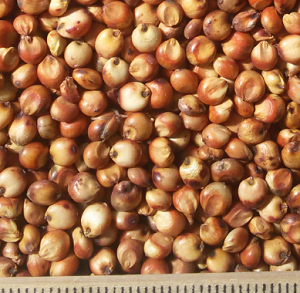
- Details
- Parent Category: Agricultural Standards
- Category: Cereals Quality, Standards
- Hits: 12780
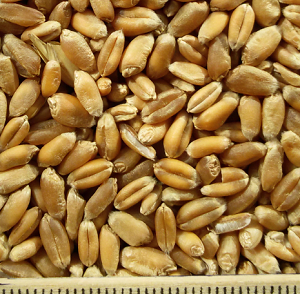
2 Common wheat DSTU 3768-2004
3 TYPES OF WHEAT USDA
4 Durum wheat (EEC)
5 Analysis Common wheat (EEC) Commission Regulation (EC) No 824/2000
6 Wheat to Egypt. Specifications:
7 Wheat to Sudan. Specifications:
4th grade soft milling wheat
Test weight min 75 kg/hl;
Moisture max 14 pct;